
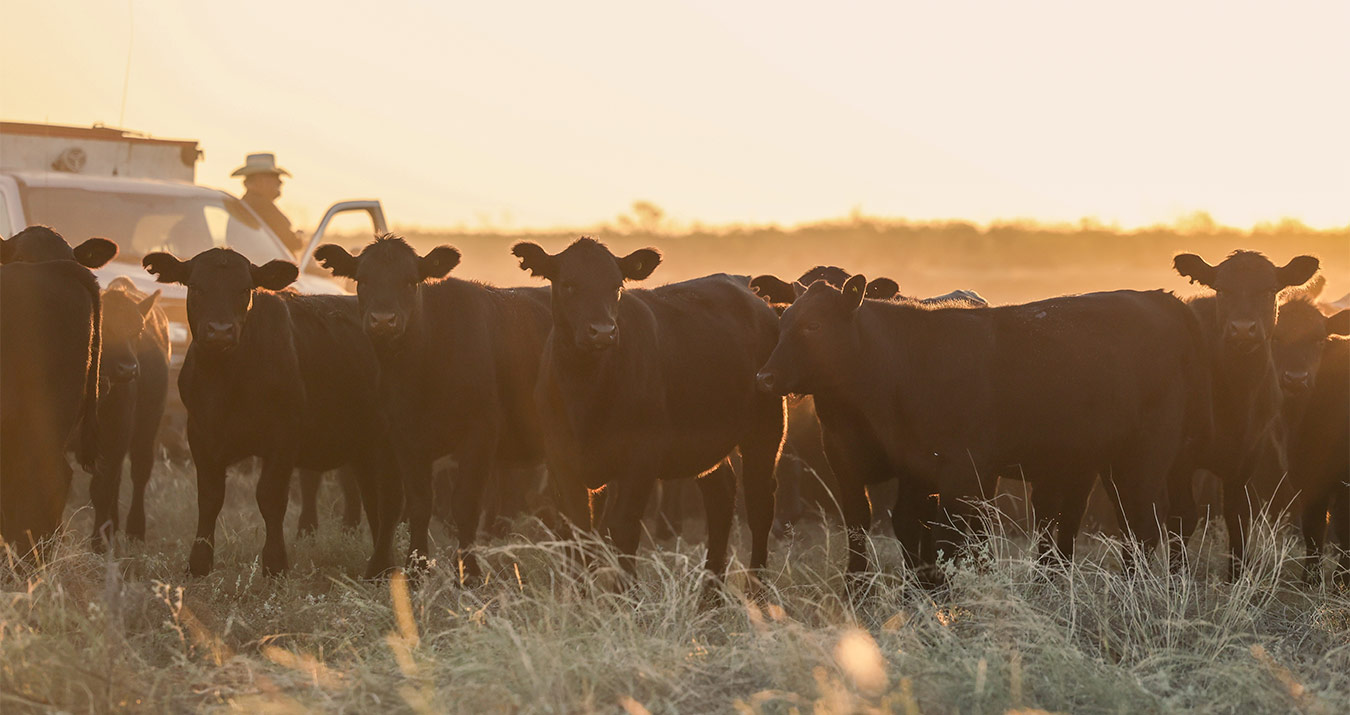
Livestock markets can change quickly, and price swings can have a major impact on a producer’s bottom line. While no one can predict market movement, Livestock Risk Protection (LRP) Insurance offers a way to help manage price risk and bring greater stability to your operation’s income.
Here’s how LRP works and why many livestock producers use it as part of their risk management strategy.
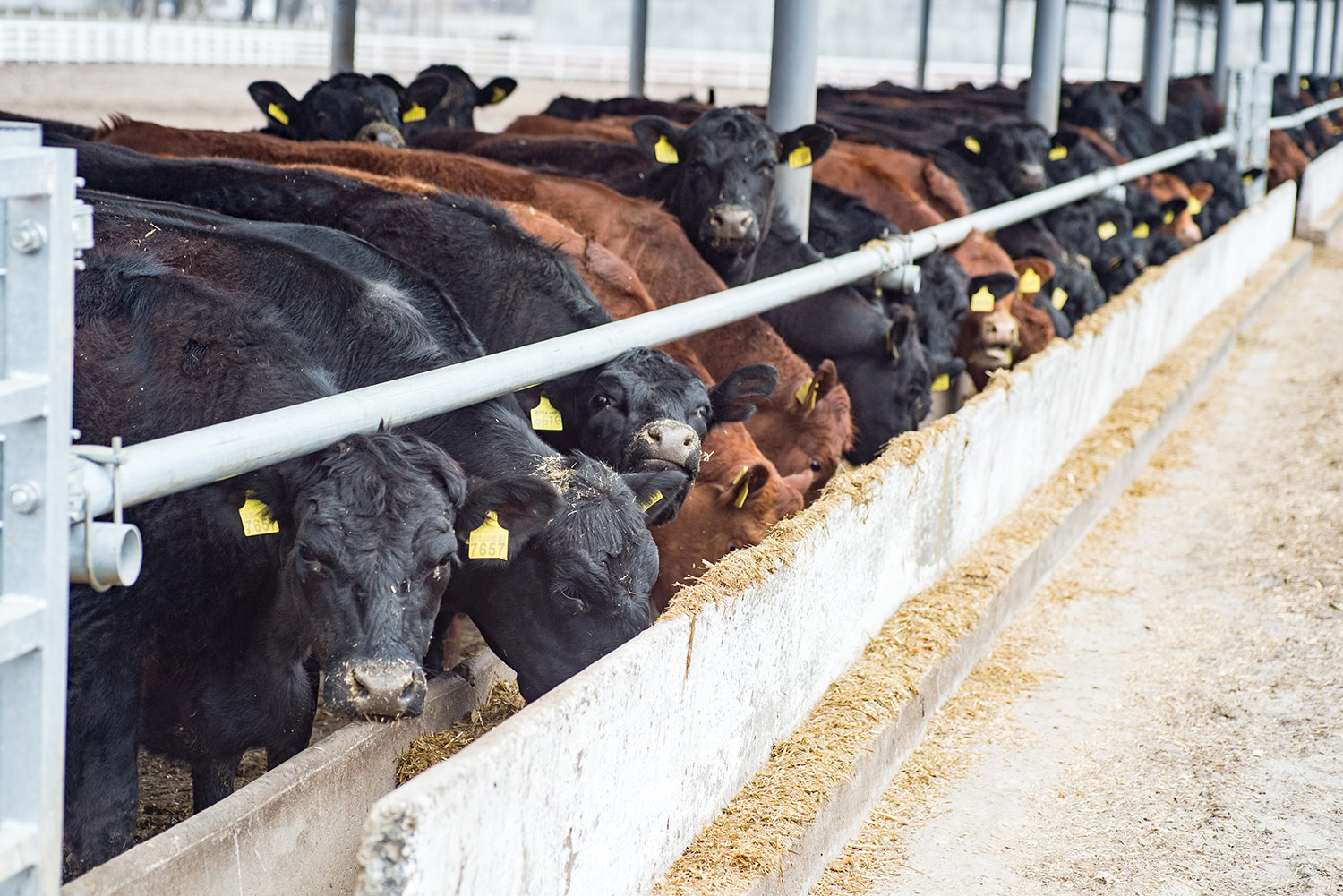
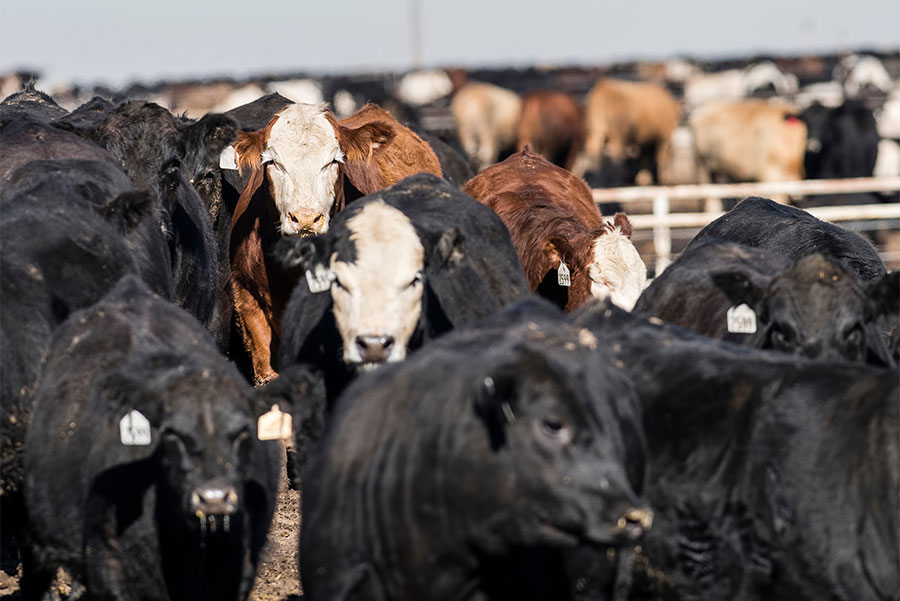
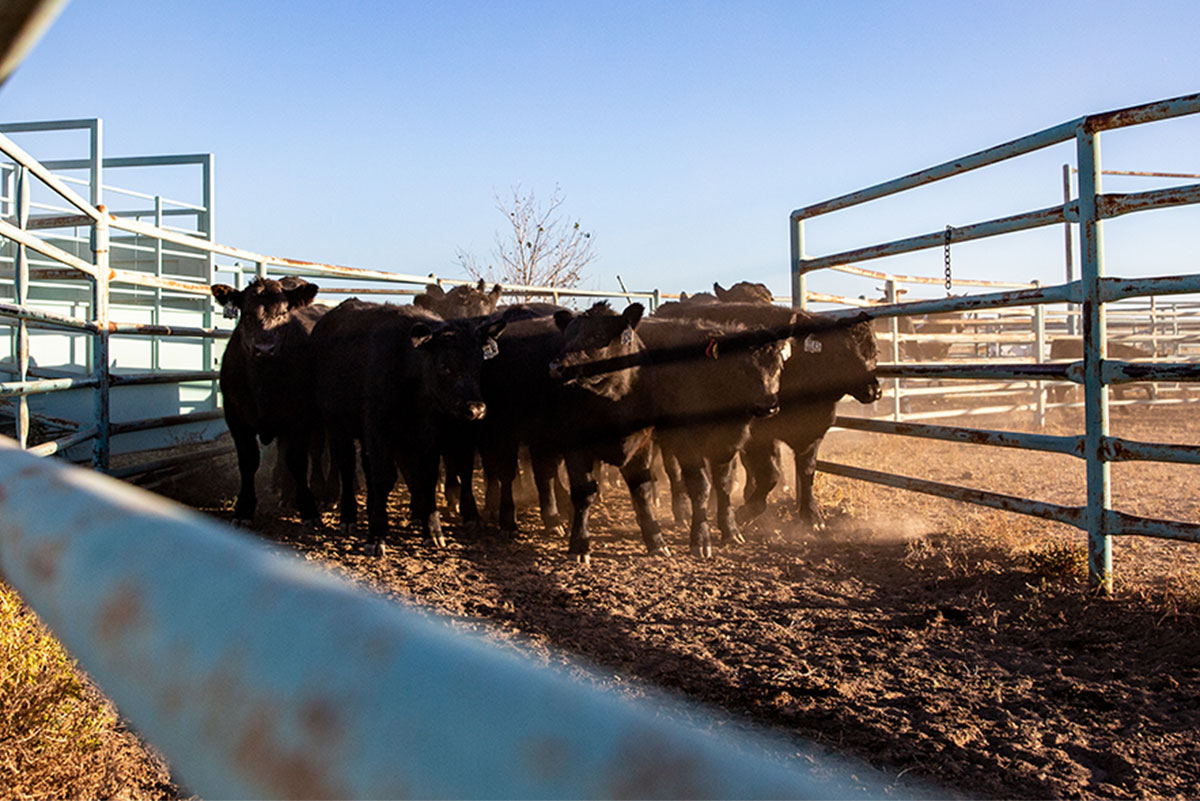
Understanding Market Fluctuations in the Livestock Industry
Livestock prices are influenced by many factors, including supply and demand, weather conditions, feed costs, and global markets. These factors can cause prices to rise and fall unexpectedly, making it difficult to plan and budget with confidence.
When market prices drop below expectations, the financial impact can be significant — especially for producers selling large numbers of livestock.
How LRP Insurance Works
LRP Insurance is designed to help protect producers from declining livestock prices. It allows you to select:
- The type of livestock you want to cover
- A coverage price level
- A coverage period that matches your marketing plans
If market prices fall below the coverage level you selected at the end of the coverage period, an indemnity payment may be triggered to help offset the loss.
This gives producers a way to lock in price protection while still being able to benefit if markets rise.
Creating More Predictable Income
One of the biggest advantages of LRP is the added financial stability it can provide. By helping cover losses when prices decline, LRP can:
- Reduce the impact of market volatility
- Support more consistent cash flow
- Improve budgeting and financial planning
Instead of worrying about sudden price drops, producers can move forward with greater confidence knowing they have price risk coverage in place.
Flexible Coverage Options
LRP offers flexibility to fit different operations and marketing strategies. Coverage can be adjusted based on:
- Herd size
- Sales timing
- Risk tolerance
This allows producers to customize coverage in a way that works best for their operation rather than relying on a one-size-fits-all approach.
LRP as Part of a Risk Management Strategy
Many producers use LRP alongside other risk management tools, such as crop insurance or PRF coverage, to build a more comprehensive protection plan.
By addressing market risk for livestock while also managing weather and production risks, operations can create stronger overall financial stability.
Getting Started with LRP Coverage
LRP coverage is time-sensitive and tied to market pricing, making it important to stay informed and work with an insurance professional who can help explain options and identify opportunities. Having coverage in place before market downturns occur can help support more stable income during periods of volatility.
If you’re interested in learning how LRP can fit into your operation’s risk management plan, reach out to our team and we’d be happy to guide you through available coverage options.
continue reading
Related Posts

Crop insurance decisions can feel overwhelming, but asking the right questions ahead of enrollment can help you feel more confident and better prepared for the season ahead.
Pasture, Rangeland & Forage (PRF) coverage can help grazing operations build financial stability and prepare for the unpredictable rainfall patterns that come with agricultural life.