

Choosing the right crop insurance coverage starts with asking the right questions. Every farm operates differently, and understanding how coverage fits your operation can help you make more confident decisions before enrollment deadlines arrive.
Before selecting a policy, it’s helpful to take a closer look at your goals, risk tolerance, and the type of protection that makes the most sense for your operation.
1. What Risks Am I Trying to Manage?
One of the first questions to consider is what types of risk matter most to your operation. Weather events, yield variability, and market changes can all impact production and income.
Understanding your biggest concerns can help guide decisions around coverage levels and policy options.
2. How Much Protection Does My Operation Need?
Coverage levels vary, and the right choice often depends on your financial goals and comfort with risk. Some producers prioritize higher levels of protection to reduce uncertainty, while others look for coverage that balances protection with affordability.
Reviewing past production history and long-term goals can help determine what level of coverage makes the most sense.
3. How Will This Fit Into My Overall Risk Management Plan?
Crop insurance works best when it’s part of a broader strategy. Many operations combine coverage with other tools to help manage financial uncertainty and maintain stability throughout the season.
Thinking about how crop insurance supports long-term planning can help ensure coverage aligns with the bigger picture.
4. What Deadlines Should I Be Aware Of?
Enrollment timelines play an important role in maintaining coverage. Sales closing dates and reporting deadlines vary depending on crop and location, so staying informed ahead of time helps avoid last-minute decisions.
Keeping a simple calendar of key dates can help ensure nothing is missed.
5. Who Can Help Guide My Decisions?
Insurance programs can feel complex, especially when reviewing different coverage options. Working with a knowledgeable agricultural insurance professional can help simplify the process and provide clarity on what fits your operation best.
Having someone available to answer questions and explain coverage details can make enrollment feel more manageable.
Asking the right questions before enrolling in crop insurance can help you feel more confident in your decisions and better prepared for the season ahead. Taking time to evaluate your risks, goals, and coverage options allows you to build a stronger foundation for long-term stability.
continue reading
Related Posts
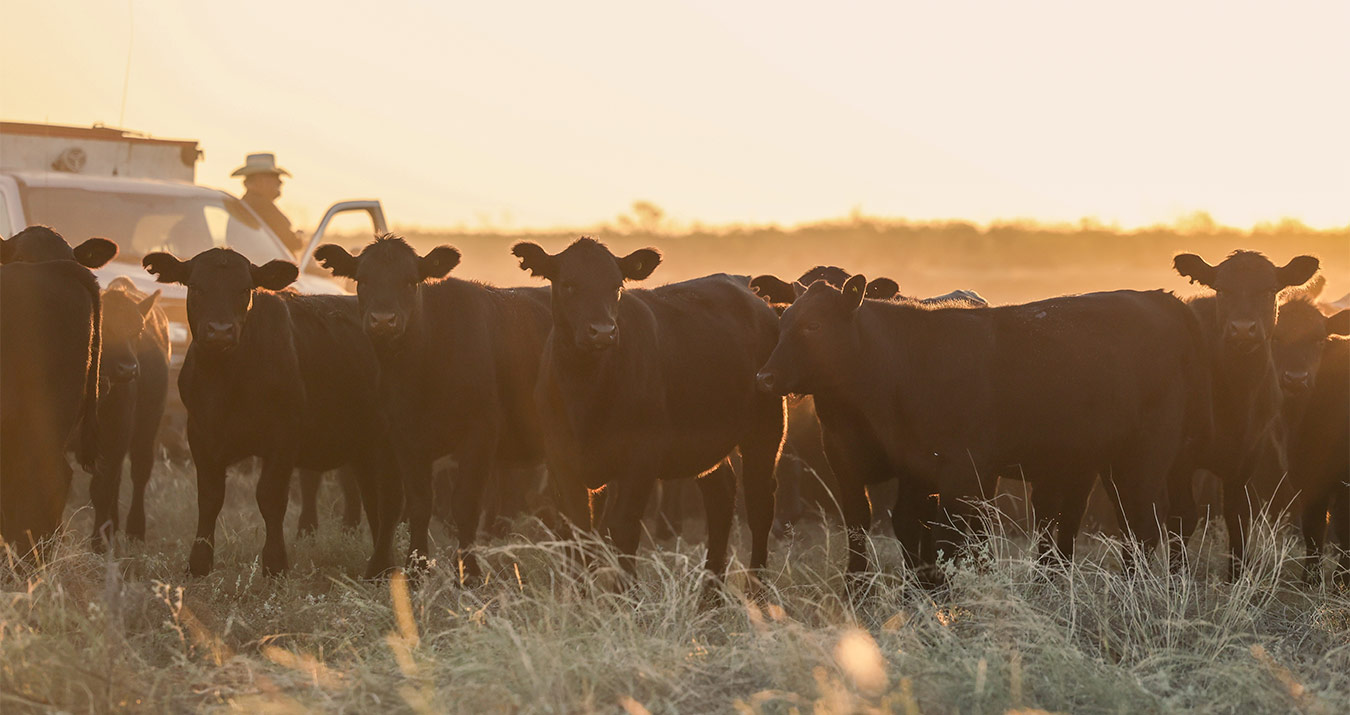
Livestock prices can shift quickly and without warning — here's how Livestock Risk Protection (LRP) Insurance works and how it can help producers manage market uncertainty and protect their bottom line.
Pasture, Rangeland & Forage (PRF) coverage can help grazing operations build financial stability and prepare for the unpredictable rainfall patterns that come with agricultural life.